Where are you applying from?
Practical, country-specific guides for twenty African origins. Each hub covers credential evaluation (WES / ENIC / NUFFIC / SAQA), MOI waivers, the actual visa offices you'll use, and current financial documentation thresholds.
Country Editions
Verified scholarships open to your country, with real deadlines and a country-only Sunday email.
All country guides

Applying from Kenya
Kenya consistently ranks among the top three African senders of fully funded scholarship winners to the US, UK, Canada and Australia. This hub answers the operational questions Kenyan applicants ask after they shortlist a programme — credential evaluation, visa appointments, financial proof, and what the recruiter at the destination university actually expects to see.

Applying from Nigeria
Nigeria is the single largest source of African international students globally — over 60,000 enrolled in the US and UK combined in 2025. The volume means application infrastructure is well-developed, but it also means visa offices are heavily scrutinised. This hub focuses on the steps where Nigerian applicants most often lose their offer: WAEC scaling, BVN / proof-of-funds traceability, and CAS-versus-visa timing.

Applying from South Africa
South African applicants benefit from one of Africa's strongest matriculation systems (NSC + IEB), which is well-recognised at every major destination university. The friction points are elsewhere: visa-fee budgeting in rand, SAQA evaluation for return-home credential recognition, and NSFAS interaction with foreign scholarships.

Applying from Uganda
Uganda's UACE / UCE system is widely respected, and Makerere graduates have a strong pipeline into Mastercard Foundation Scholars cohorts at McGill, Edinburgh, and EARTH University. The operational challenges are mostly visa-related — Kampala has fewer visa application centres than Nairobi, and many Ugandan applicants travel to Nairobi for biometrics.

Applying from Ghana
Ghana has the highest scholarship-conversion rate in West Africa, with Mastercard Foundation Scholars cohorts at Ashesi, KNUST and University of Ghana feeding directly into top US and UK programmes. Ghanaian applicants benefit from one of Africa's smoothest WAEC verification pipelines and a relatively low-volume US Embassy.

Applying from Ethiopia
Ethiopia sends thousands of students abroad every year, with China, Russia, Türkiye, Germany and the US the biggest receivers. The academic credentials — ESSLCE results plus an Addis Ababa, Jimma, Bahir Dar or Mekelle degree — travel well. The friction is almost always financial documentation: strict foreign-exchange rules mean birr savings are hard to present the way a consulate expects, so fully funded awards matter far more here than partial ones.

Applying from Tanzania
Tanzanian applicants come through a well-structured system — NECTA's CSEE and ACSEE, then a TCU-recognised degree from UDSM, SUA, Muhimbili, Nelson Mandela AIST or Ardhi. Commonwealth, DAAD, Australia Awards, MEXT and Chinese government schemes all recruit here regularly. The main operational gaps are visa logistics outside Dar es Salaam and documenting shilling savings in a way visa officers accept.

Applying from Zimbabwe
Zimbabwe has one of Africa's strongest academic reputations abroad — Cambridge and ZIMSEC A-Levels are recognised without argument, and UZ, NUST, MSU and Africa University graduates place well in UK, South African and US programmes. What Zimbabwean applicants have to manage is money and paperwork: multi-currency banking, proof-of-funds traceability, and long turnarounds on certified documents.

Applying from Zambia
Zambian applicants are strongly represented in Commonwealth, DAAD, Chinese government and Mastercard Foundation cohorts, and UNZA, CBU and Mulungushi degrees are well understood abroad. Because there are relatively few visa posts in Lusaka, the practical questions here are about sequencing: when to order the ECZ certificate, when to book biometrics, and how to document kwacha savings.
Applying from Cameroon
Cameroon is bilingual, and that shapes everything about applying abroad: anglophone applicants hold GCE Ordinary and Advanced Levels and target the UK, US and Canada, while francophone applicants hold the Baccalauréat and move through France, Belgium, Morocco and Québec. This hub covers both tracks, including the Etudes en France procedure that francophone applicants must complete before any French visa appointment.
Applying from Rwanda
Rwanda moved its education system to English-medium instruction, which removes one of the biggest friction points francophone-heritage applicants still face. But many Rwandan applicants hold older French-language certificates alongside newer English ones, and presenting the two badly is the most common reason a file gets queried. This hub covers how to present a Rwandan academic record abroad, which visa posts in Kigali you will actually use, and how to document funds.
Applying from Malawi
Malawi sends small but consistent cohorts to Commonwealth, DAAD, Chinese government and Mastercard Foundation programmes, and an MSCE plus a University of Malawi, KUHeS, MUBAS, LUANAR or Mzuzu degree is a readable combination abroad. The practical difficulty is logistics: few visa posts operate in Malawi, some destinations are handled from a neighbouring capital, and that affects your timeline more than anything on your transcript.
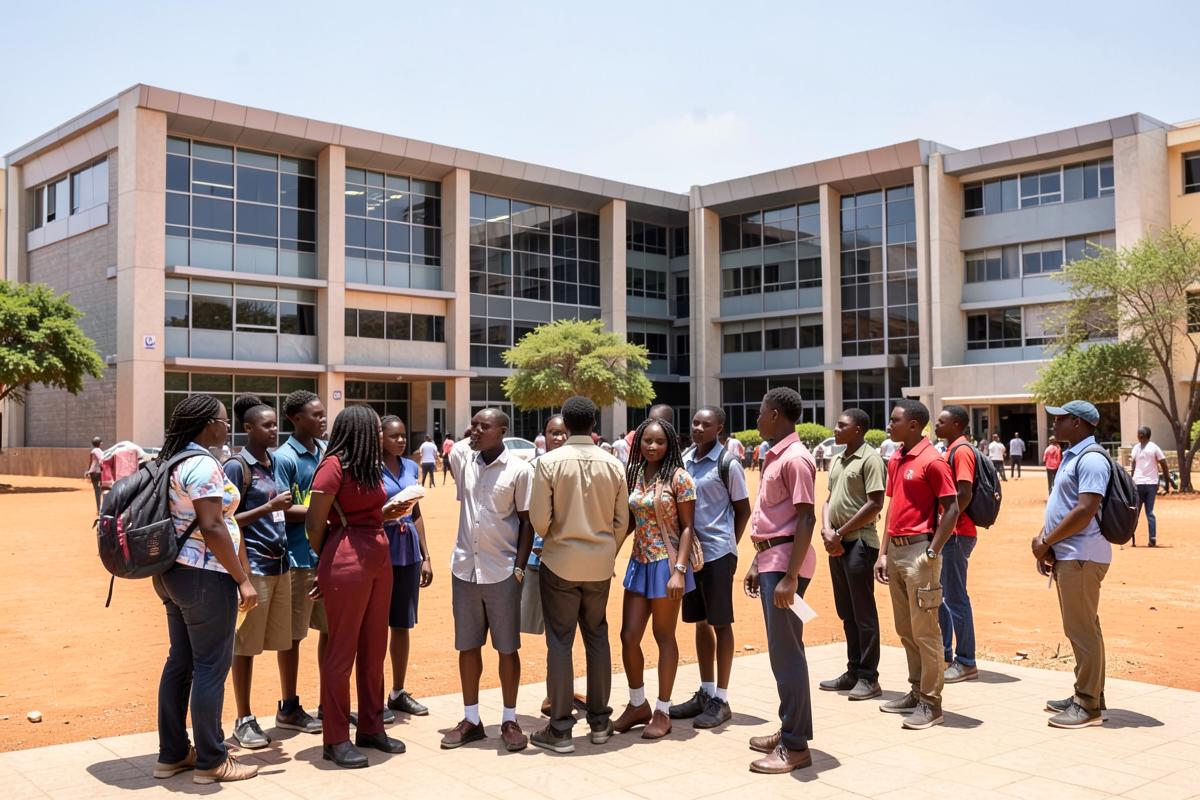
Applying from Botswana
Botswana is unusual in Africa: a large share of students abroad are funded domestically through government sponsorship for tertiary training rather than by a foreign scholarship. That changes the sequence — sponsorship approval, not admission, is often the binding constraint, and international scholarships are best run as a parallel track rather than a fallback. This hub covers both routes plus the credential and visa mechanics.
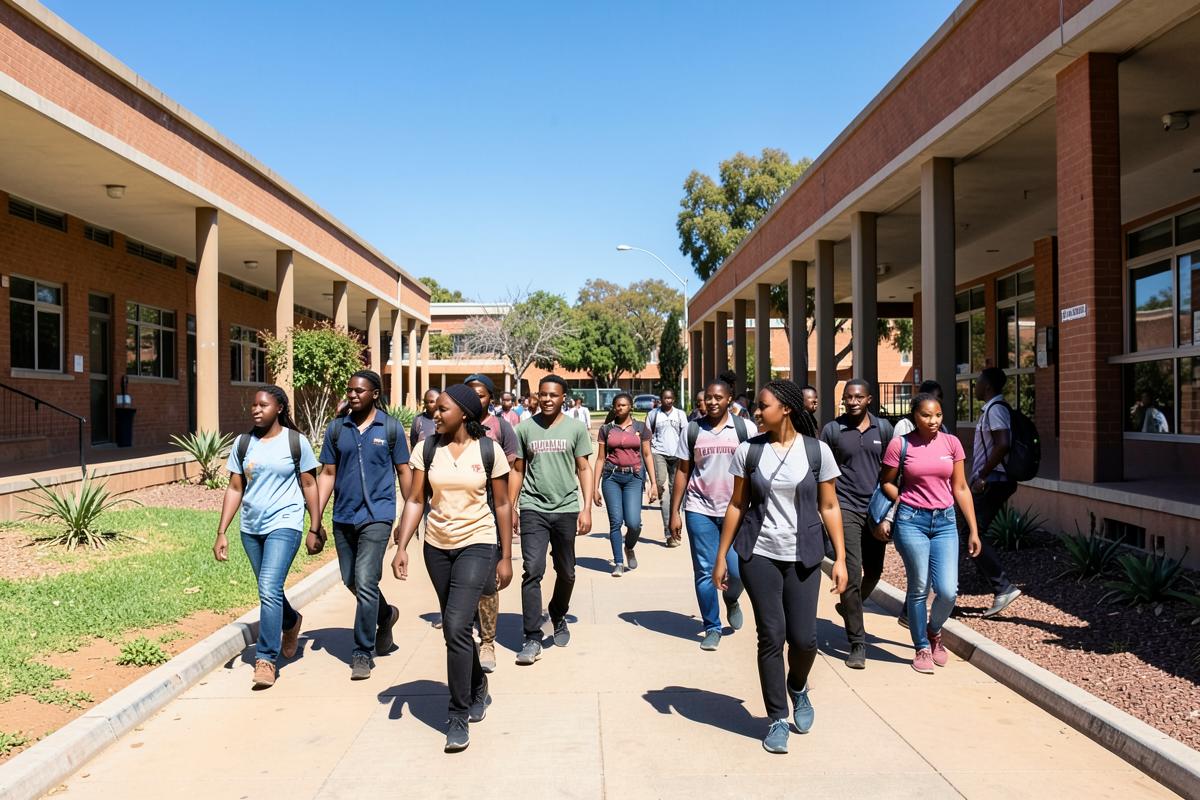
Applying from Namibia
Namibian applicants have two advantages that are easy to under-use: NSSC results are read fluently by UK, South African and Australian admissions offices, and the Namibia Qualifications Authority can evaluate qualifications on the way in and out. The friction is mostly on the funding side — domestic assistance, institutional bursaries and international scholarships each run on separate calendars, and missing one usually means waiting a full year.
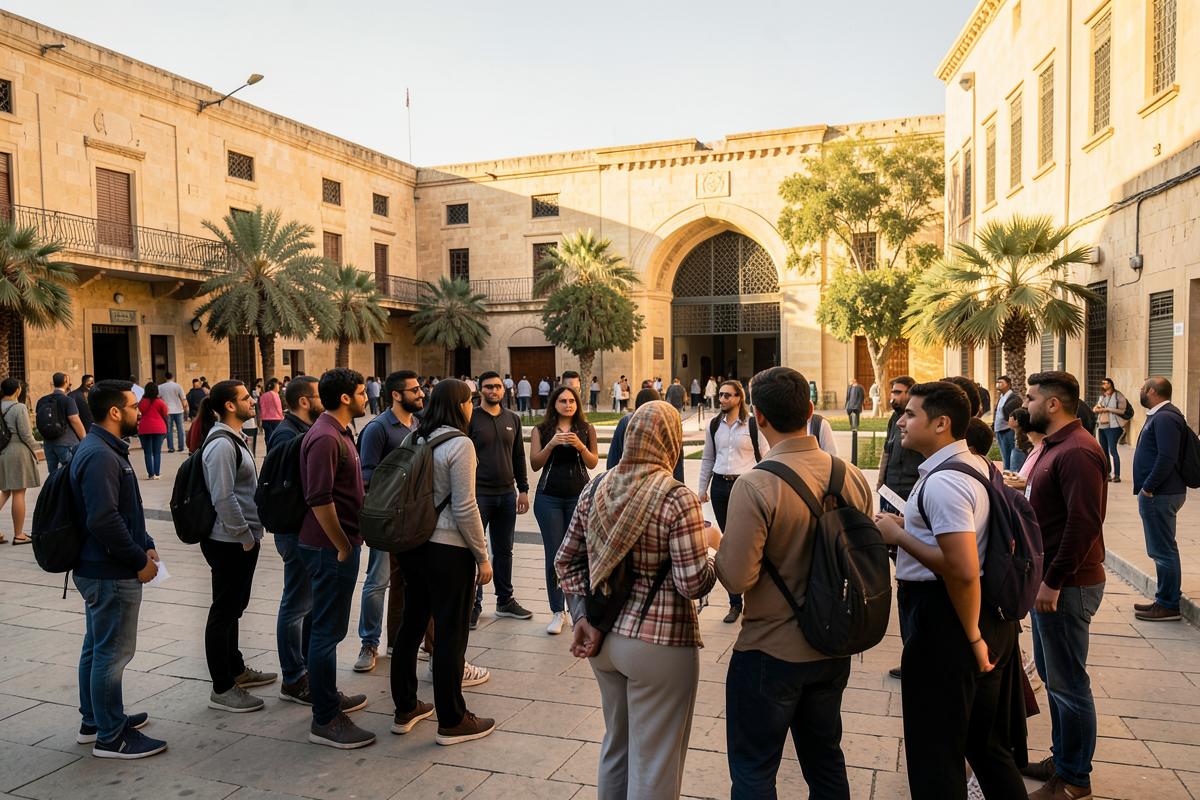
Applying from Morocco
Morocco is the largest African sender of students to France, and that shapes the whole process: the Etudes en France procedure, not the university, controls your French timeline. Beyond France, Moroccan applicants move in growing numbers to Canada and Québec, Germany, Spain, Türkiye and the Gulf. Because Morocco is a Hague Apostille country, document legalisation is comparatively simple — but only if you apostille rather than chase embassy stamps.
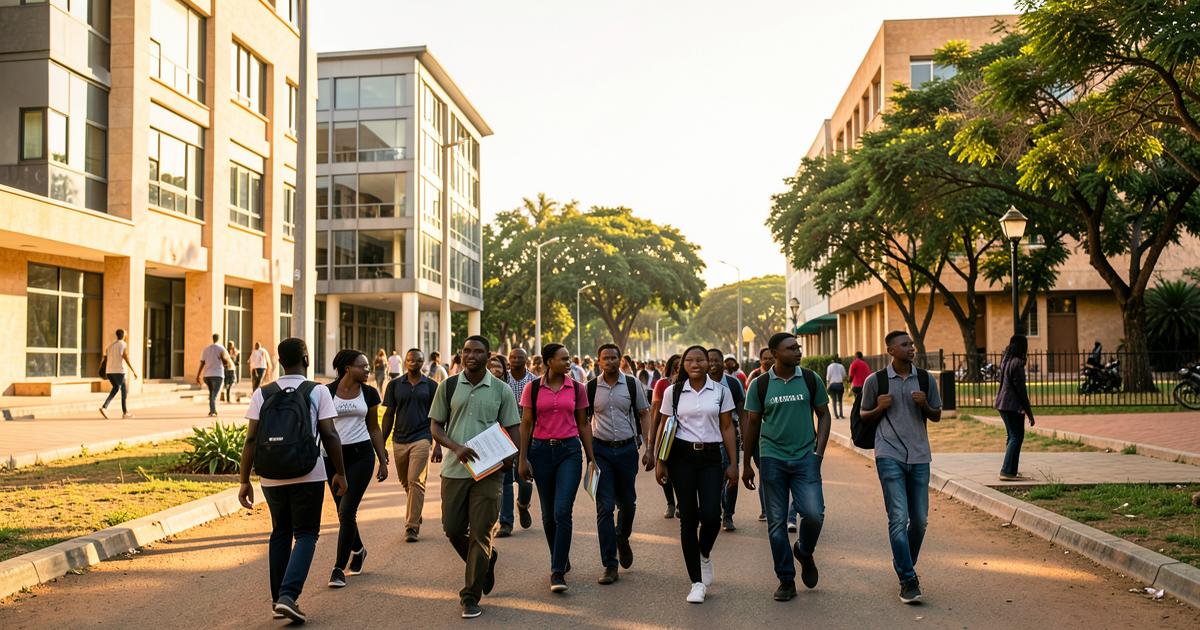
Applying from Senegal
Senegal produces one of West Africa's largest outbound student flows, and most of it goes through one gate: the Études en France platform. Senegalese applicants who treat that platform as an afterthought lose a whole academic year, because the consulate in Dakar will not process a student visa for France without a completed Campus France file and interview. This hub covers how to present a Senegalese record abroad, the francophone-to-anglophone language problem, and what the Dakar visa posts actually ask for.
Applying from Côte d'Ivoire
Ivorian applicants compete well for francophone scholarships and struggle mainly with two things: getting DECO-issued Baccalauréat documents in time, and proving English where the destination requires it. Abidjan is also a well-resourced visa hub, which works in your favour if you sequence the steps properly. This hub covers document sourcing, the Campus France route, and what the Abidjan posts want to see.
Applying from Egypt
Egyptian applicants have deep academic pipelines to Germany, Türkiye, China, Hungary and the Gulf, and the paperwork is usually the deciding factor rather than the grades. Two things trip files up: attestation of Egyptian documents through the Ministry of Foreign Affairs, and, for male applicants, military-service clearance before travel. This hub covers how to present Thanaweya Amma and Egyptian degrees abroad, and what the Cairo visa posts require.
Applying from DR Congo
Congolese applicants face a paperwork problem more than an academic one. Diplôme d'État and university documents need a legalisation chain that takes weeks, and several visa posts in Kinshasa work on long timelines. Applicants who start the document work before choosing programmes get through; applicants who leave it until an offer arrives usually miss the intake. This hub covers document sourcing, legalisation and the Kinshasa visa reality.
Applying from Mozambique
Mozambican applicants have an advantage most African applicants do not: a Portuguese-language record opens Portugal and Brazil directly, with no language test in the way. The trade-off is that anglophone destinations require both an English test and clear translation of a Portuguese transcript. This hub covers how to present a Mozambican record, the Instituto de Bolsas de Estudo route, and what the Maputo visa posts require.