Türkiye Scholarships 2026: The Complete Guide for African Students
Türkiye Bursları (YTB) for African applicants — eligibility, the Turkish prep year, monthly stipend, top host universities, the YTB application timeline and how it compares to MEXT, GKS and CSC.
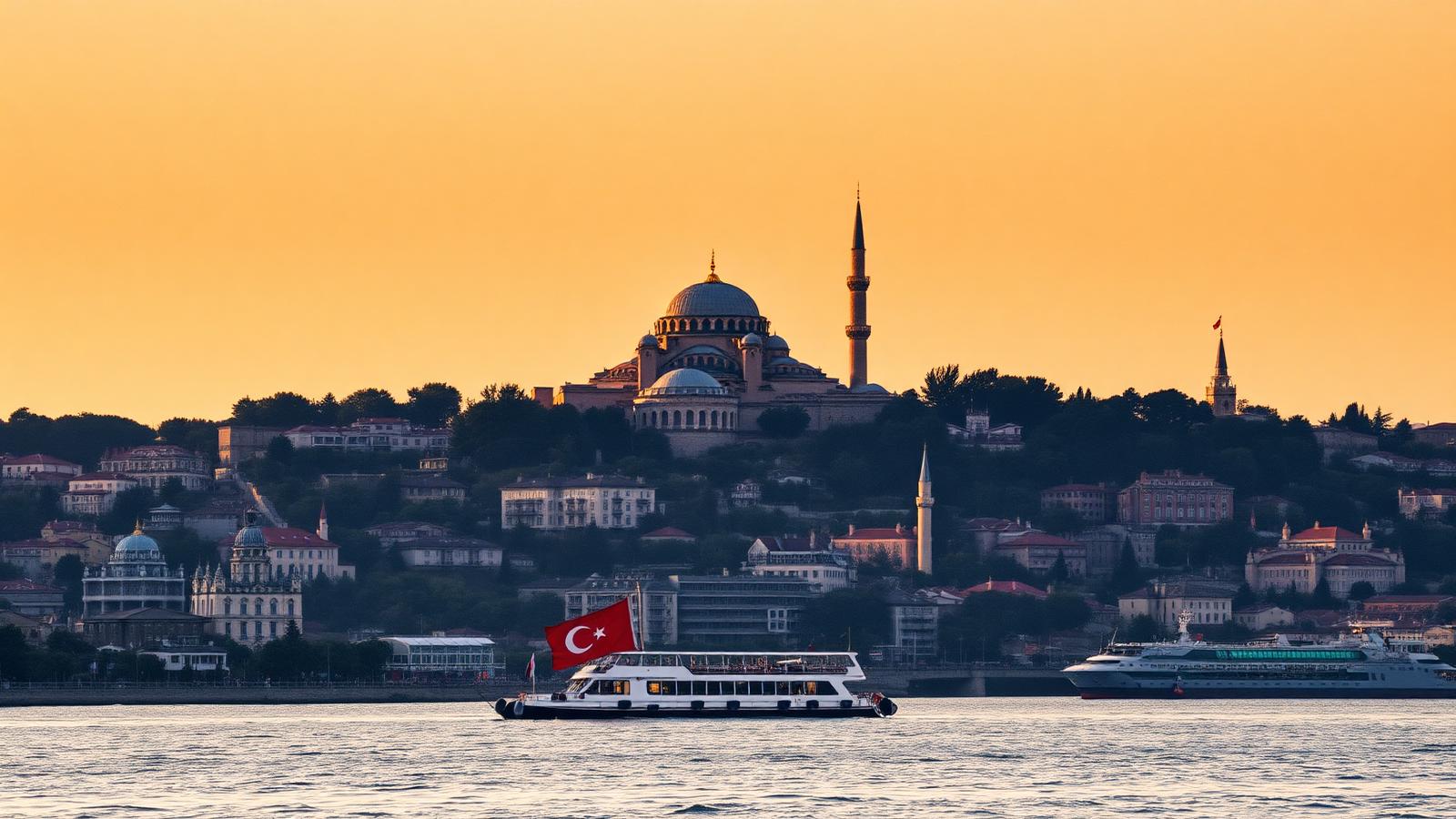
Türkiye Bursları (Türkiye Scholarships, run by YTB — Yurtdışı Türkler ve Akraba Topluluklar Başkanlığı) is the largest government scholarship most African applicants underestimate. It funds undergraduate, master's and PhD studies in full, includes a free Turkish language year, and uses a single online application portal for hundreds of programmes.
This guide is the practical walkthrough — what's covered, who's eligible, the timeline, and how YTB compares to the other big government scholarships African students target.
What Türkiye Scholarships covers (2026)
- Tuition fees — paid in full directly to the university.
- Monthly stipend — ₺6,500 undergraduate, ₺13,000 master's, ₺19,500 PhD.
- Accommodation — placement in a state student dormitory (KYK) with utilities included.
- Health insurance — full public coverage for the duration of your studies.
- Travel — one return economy flight (start of studies and after graduation).
- Turkish language prep year — 1 year of intensive Turkish at a TÖMER centre, fully funded, before your degree begins (if your programme is in Turkish).
The tracks African applicants should know
- Türkiye Bursları Undergraduate. Age cap 21. Open to nearly all African nationalities. Strongest at engineering, medicine, Islamic studies and Turkish language & literature.
- Türkiye Bursları Graduate (Master's). Age cap 30. The most competitive and the largest pot of awards. English-taught options at METU, Bilkent, Sabancı, Koç, Boğaziçi.
- Türkiye Bursları Graduate (PhD). Age cap 35. Lowest applicant-to-place ratio for Africans — often the easiest YTB route to win.
- İbn Haldun Programme (Social Sciences). Dedicated track for master's/PhD in social sciences at Ibn Haldun University. Strong fit for political science, sociology, Islamic economics applicants.
- İbn Sina Programme (Medicine). Limited number of fully funded medical degree places for African applicants — extremely competitive.
- Success Scholarship. Top-up funding for international students already in Türkiye on another visa — worth knowing if you self-fund initially.
Top host universities for African scholars
- Boğaziçi University (Istanbul) — Strongest research output, mostly English-medium.
- Middle East Technical University (METU, Ankara) — Engineering powerhouse, English-taught.
- Istanbul Technical University (İTÜ) — Aerospace, civil, electrical engineering.
- Bilkent University (Ankara) — Private but YTB-eligible, English-medium across all faculties.
- Koç University (Istanbul) — Strong medicine, law, business.
- Sabancı University (Istanbul) — Interdisciplinary engineering and management.
- Hacettepe University (Ankara) — Medicine and dentistry.
- İbn Haldun University (Istanbul) — Social sciences track.
Eligibility checklist
- Not a Turkish citizen and never held Turkish citizenship.
- Within the age limit (21 undergrad / 30 master's / 35 PhD as of application year).
- Academic minimums: 70% for undergraduate, 75% for master's/PhD, 90% for medicine/dentistry/pharmacy.
- Not currently a registered student in a Turkish university at the same level you're applying for.
- In good health (a medical certificate is required after acceptance, not at application).
The 2026 application timeline
- January. YTB portal opens at turkiyeburslari.gov.tr. Create your single account and confirm eligibility.
- January–February. Choose up to 12 university+programme preferences. The order matters — list them in the order you actually want them.
- Late February. Application deadline (typically Feb 20). Upload transcripts, passport, national exam results, two reference letters and personal statement.
- April–June. Shortlisted candidates are invited to an online or embassy interview.
- July. Final results released. Placement letter names your university and programme.
- August. Student visa application at the Turkish consulate.
- September. Arrival, university registration, dormitory check-in. Turkish prep year starts if your programme is Turkish-medium.
The Turkish prep year — what it's actually like
If your programme is Turkish-medium, you'll spend your first academic year at a TÖMER centre learning Turkish full-time. The structure: ~25 contact hours per week across reading, writing, speaking and listening, with monthly progress exams. You need to reach C1 (TYS / TÖMER C1) to start your degree.
Most African scholars from non-Turkic backgrounds reach C1 in 9–12 months of full-time study. The stipend and accommodation continue throughout the prep year, so financially nothing changes.
How YTB compares to MEXT, GKS and CSC
- vs MEXT Japan: YTB is easier to apply to (single online portal vs MEXT's embassy + written exam process) and has more English-taught options at master's level. MEXT has higher monthly stipend in absolute terms but Türkiye's cost of living is lower.
- vs Korea GKS: Comparable structure (language prep year + degree). GKS has a stronger global brand for STEM; YTB has more places open to African applicants and a higher acceptance rate at PhD level.
- vs Chinese Government CSC: Both fund language prep year + degree. CSC has more programmes (300+ universities), but YTB's package (dorm + stipend + insurance + flights) is more uniformly funded. CSC's stipend amount varies by university tier; YTB is the same regardless of institution.
Application tips that move the needle
- Use the 12-preference list strategically — mix 4 ambitious, 4 realistic, 4 safety choices. YTB matches in order; ranking a top university 8th means it'll only consider you if your first 7 don't admit.
- The personal statement asks why Türkiye specifically. Generic answers ("good universities, low cost") lose marks. Name a Turkish researcher in your field, a regional issue Türkiye is uniquely placed to address, or a programme that doesn't exist at home.
- Reference letters from current or recent academic supervisors carry more weight than senior professors who barely know you.
- Upload English translations of every transcript and certificate — apostille not required at application, but you'll need it for visa stage.
Frequently asked questions
Do I need to speak Turkish to apply for Türkiye Scholarships?
No. You can apply with English-medium qualifications for English-taught programmes. If you accept a Turkish-taught programme, the scholarship includes a fully funded one-year Turkish language preparation course (TÖMER) before your degree begins.
How competitive is YTB for African applicants?
YTB receives roughly 165,000+ applications a year worldwide for around 5,000 places, with a specific quota reserved for sub-Saharan Africa. Award rates for shortlisted African applicants are higher than the headline numbers suggest because the Africa quota is rarely filled at the PhD level. Strong applicants combine high GPA (4.0/5.0+ equivalent) with clear research/career fit to Türkiye's regional priorities.
What does YTB actually pay?
For the 2026 cycle: undergraduate stipend ₺6,500/month, master's ₺13,000/month, PhD ₺19,500/month. Tuition is waived in full, accommodation in state dormitories is provided, health insurance is included, and one return economy flight is funded at the start and end of studies. The Turkish prep year is also fully covered.
Are degrees from Turkish universities recognised back home?
Yes — Turkish public universities are accredited by YÖK (Yükseköğretim Kurulu) and degrees are recognised across the African Union, Commonwealth and through bilateral equivalence frameworks. Top hosts like Boğaziçi, METU, İTÜ, Bilkent and Koç sit in QS global rankings and their degrees are routinely accepted by African ministries of education and professional bodies.
Can I work in Türkiye after graduating?
Türkiye Scholarships does not require you to return home — but it does build alumni networks expecting graduates to maintain ties. After graduation you can apply for a short-term post-study residence permit while job hunting. Engineering, IT and health graduates from English-taught programmes have the highest employment rates with multinationals based in Istanbul and Ankara.
Continue reading
Hand-picked guides that pair with this article.
- Live Shortlist
Scholarships Verified This Month
Every fully funded scholarship our editors re-verified at the official source within the last 30 days — auto-updated from the live catalogue.
Live · last 30 days
- Live Shortlist
Scholarships Closing Soon: Apply This Quarter
An auto-updated shortlist of fully funded scholarships for African students with deadlines in the next 90 days — refreshed live from our verified catalogue.
Live · 90-day window
- Application Tips
How to Write a Winning Scholarship Essay (with Examples)
A step-by-step framework used by Chevening, Mastercard and Fulbright winners — including the exact opening lines that work.
9 min read
Comments
Comments are reviewed by our team before publishing — we keep this space respectful and on-topic.
Loading comments…
Leave a comment
Loading…